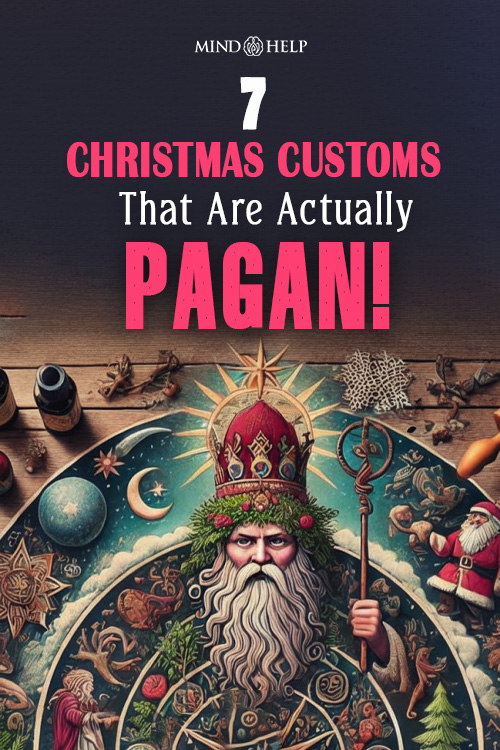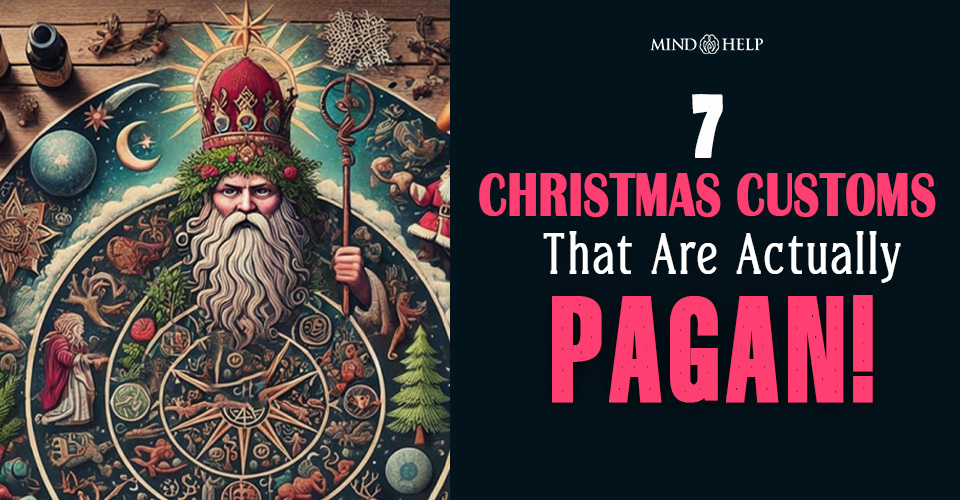
Christmas traditions that are pagan, were shaped by early human responses to darkness, cold, and uncertainty. Understanding the pagan roots of Christmas does not diminish its meaning. Instead, it offers insight into why these traditions remain emotionally powerful even today.
Many people assume Christmas traditions are purely Christian in origin. Yet from a psychological and historical perspective, many of the customs associated with modern celebrations reflect much older belief systems. Long before Santa Claus, gift exchanges, or decorative lights, ancient communities marked the winter season with rituals centered on survival, hope, and renewal.
Read: What Is a Golem? A Psychological Look at a Myth That Blurs Creation, Control, and Protection
What Is Paganism?
To understand the pagan history of Christmas, it helps to first ask a foundational question: what is paganism?
Paganism is an umbrella term used to describe a wide range of ancient, nature based belief systems that existed before Christianity and outside Abrahamic religions. Rather than being organized around a single doctrine, pagan traditions developed organically across cultures, shaped by geography, climate, and seasonal cycles.
From a psychological lens, pagan belief systems helped early humans create meaning and emotional stability in uncertain environments. These traditions emphasized:
- A deep relationship with nature and seasonal change
- Recognition of cycles such as birth, death, and renewal
- Symbolic rituals that reinforced hope during difficult periods
- Community bonding through shared seasonal celebrations
Because paganism functioned as a lived experience rather than a structured institution, many of its rituals were easily absorbed when new religions spread.
The Pagan History of Christmas
The pagan origin of Christmas becomes clearer when examining how winter was understood in ancient societies. Long before December 25 held religious significance, the Winter Solstice was already a major turning point in the year.
In the Northern Hemisphere, this moment marked the shortest day and longest night. Psychologically, it represented the peak of darkness and the beginning of return. After the solstice, daylight slowly increased, symbolizing hope, endurance, and continuity.
These themes formed the foundation of Christmas and paganism, where later religious frameworks adapted existing rituals rather than eliminating them. This blending allowed new belief systems to feel familiar and emotionally accessible.
What Is Yule?
Among the most influential winter festivals was Yule, also known as Yule tide. So what is Yule, and when is Yule celebrated?
Yule traditionally coincided with the Winter Solstice and extended over 12 days of Yule, a period focused on rest, reflection, and renewal. These Yule celebrations honored the symbolic rebirth of the sun and the promise that life would continue despite harsh conditions.
From a psychological perspective, Yule provided emotional reassurance. It reinforced patience, resilience, and trust in natural cycles. Many elements of yule traditions remain embedded in modern celebrations, even if their original meanings are less consciously recognized.
7 Christmas Traditions That Are Pagan
Below are seven widely practiced customs that illustrate how Christmas is rooted in paganism.
1. Decorating a Christmas Tree
The pagan Christmas tree originates from reverence for evergreen plants. In ancient cultures, evergreen trees symbolized continuity and survival because they remained green through winter.
Bringing evergreens indoors served as a psychological reminder that life persisted even during scarcity. This connection between the Christmas tree and paganism remains one of the clearest examples of ancient symbolism carried into modern rituals.
2. Hanging Mistletoe
Mistletoe held spiritual importance in early European pagan traditions. It was associated with fertility, vitality, and protection. Hanging it inside homes was believed to encourage harmony and emotional bonding.
From a psychological standpoint, mistletoe symbolized reconciliation and closeness. The modern kissing tradition preserves this deeper association with connection and intimacy.
3. Yule Logs
So what is a Yule log?
Traditionally, a Yule log was a large piece of wood burned during the solstice period. The fire symbolized warmth, protection, and continuity during the darkest nights of the year.
Families often kept ashes from the log as symbols of security and abundance. Today’s symbolic fireplace imagery reflects the emotional comfort once provided by this ritual.
4. The 12 Days of Yule
The 12 days of Yule represented a sacred transitional phase. Each day was believed to influence the energy of the coming year, reinforcing mindfulness and intention.
Over time, these rituals evolved into what we now call the Twelve Days of Christmas, retaining the underlying theme of gradual return from darkness to light.
5. Holly and Ivy Decorations
Holly and ivy were used together in pagan traditions to represent balance. Holly symbolized protection, while ivy represented endurance and continuity.
Psychologically, these plants reinforced stability during unpredictable seasons, which explains their lasting presence in holiday décor.
6. Gift Giving
The tradition of exchanging gifts traces back to Saturnalia, a Roman pagan festival emphasizing generosity and social equality.
From a psychological viewpoint, gift giving strengthens social bonds and reinforces shared identity, which is why this tradition persists across cultures and belief systems.
7. Christmas Lights
Before electricity, light came from fire. Candles, torches, and bonfires were central to pagan winter rituals, symbolizing hope and reassurance.
Modern holiday lights still fulfill the same emotional function. They counter darkness and create a sense of safety, continuity, and warmth.
Christmas and Pagan Traditions: A Shared Emotional Language
Recognizing Christmas traditions that are actually pagan does not redefine Christmas as something else. Instead, it reveals how human psychology has always relied on symbolism, ritual, and shared meaning to cope with uncertainty.
A pagan Christmas is not about belief labels. It reflects the deep emotional structures humans use to survive winter, loss, and transition. These traditions endure because they meet psychological needs that remain universal.
Whether consciously or not, modern celebrations still echo the same ancient truth: light returns, life continues, and connection matters.