Life has a way of speeding up before we even realize it. Days blur together, routines take over, and somewhere along the way, we forget to pause and truly feel our lives. This is where the Japanese style of living offers a refreshing reset. Rooted in balance, mindfulness, and intention, these Japanese philosophies gently guide us back to what matters most—without demanding drastic changes.
What makes these ideas so powerful is their simplicity. You don’t need to escape to a mountaintop or completely reinvent yourself. Instead, these Japanese concepts invite small, thoughtful shifts in how you eat, think, learn, and connect with others. Over time, these subtle adjustments lead to deeper clarity, calm, and fulfilment.
If life has started to feel like a never-ending race, these seven Japanese concepts to improve life may help you slow down, realign, and rediscover joy one step at a time.
Let’s Explore 7 Timeless Japanese Concepts That Bring Harmony, Meaning, and Calm
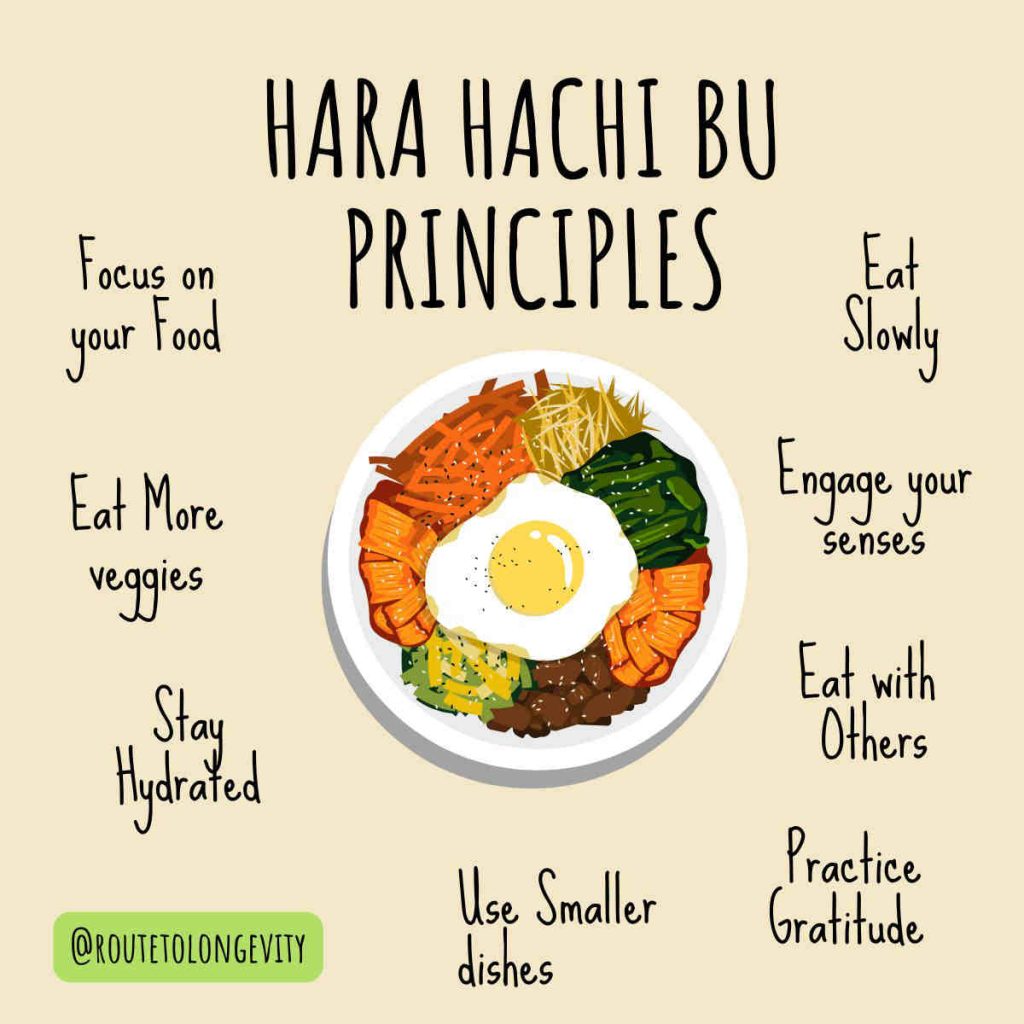
1. Hara Hachi Bu – Stop Eating Before You’re Full
Let’s begin with something we all enjoy—food. Think about your last meal. Did you stop eating because you felt satisfied, or because your plate was empty?
Hara Hachi Bu, a traditional Okinawan practice, encourages you to eat until you’re about 80% full. This mindful approach helps prevent overeating and strengthens your awareness of your body’s signals. It’s not about restriction—it’s about listening.
Before reaching for seconds, pause and ask yourself: Am I still hungry, or just eating out of habit? This small change can leave you feeling lighter, more energized, and more connected to your body.
2. Kaizen – Progress Through Small, Consistent Steps
Big goals can feel intimidating, especially when we expect instant results. That’s where Kaizen shines. This Japanese philosophy focuses on steady progress through small, manageable actions—one of the most effective self improvement techniques you can adopt.
Instead of changing everything at once, aim for tiny upgrades:
Want to exercise? Stretch for five minutes.
Want to read more? Start with one page.
Want to save money? Put aside a single dollar.

Kaizen removes pressure and replaces it with consistency. Those small efforts add up, helping you grow naturally without burning out.
Read: Unlock Your Inner Hero: The Science Behind the Batman Effect
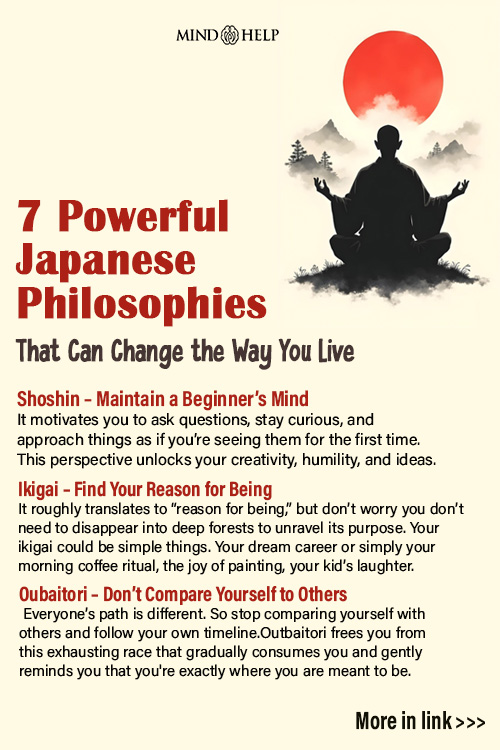
3. Shoshin – Embrace the Beginner’s Mind
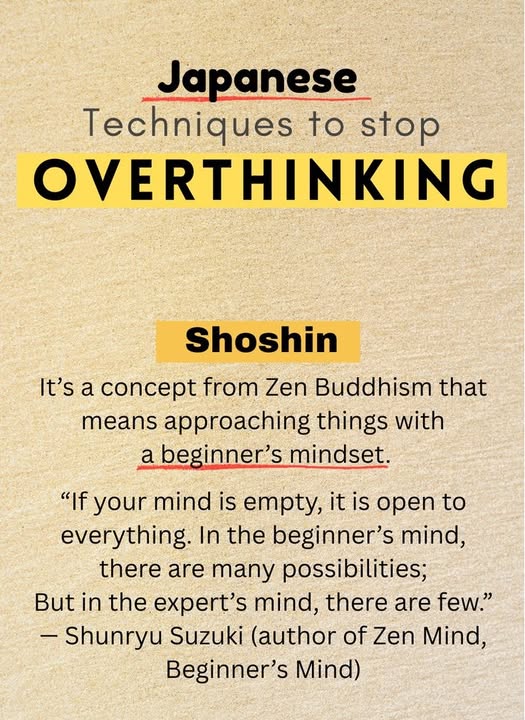
Remember how exciting it felt to try new things as a child? You didn’t worry about being perfect—you were curious, open, and eager to learn. That mindset is called Shoshin.
As adults, we often assume we already know enough. But the moment we stop being curious, growth slows. Shoshin encourages you to approach life with fresh eyes, ask questions, and remain open to learning—no matter how experienced you are.
When you let go of the need to be an expert, you create space for creativity, humility, and deeper understanding.
4. Ikigai – Discover What Makes Life Worth Waking Up For
Ikigai is one of the most beloved Japanese concepts worldwide. It loosely translates to “reason for being,” but it doesn’t have to mean a grand life mission.
Your ikigai might be simple: a hobby you love, your morning routine, meaningful work, or time spent with loved ones. Anything that gives you energy and a sense of purpose can be part of it.
Rather than searching for a dramatic answer, pay attention to what lights you up, what you look forward to, and what restores your spirit. Those clues quietly guide you toward your ikigai.

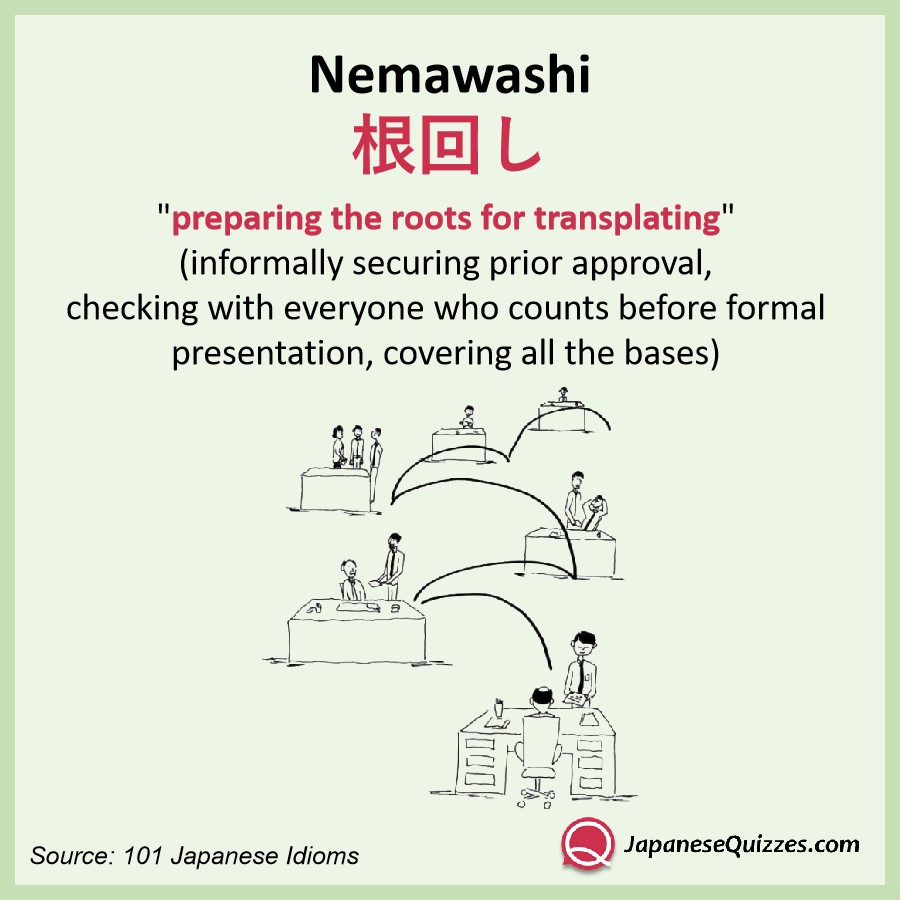
5. Nemawashi – Lay the Groundwork Before Big Changes
Have you ever shared a big idea only to face resistance or silence? Often, it’s not the idea—it’s the timing. Nemawashi, which means “preparing the roots,” is about building understanding and support before making major decisions.
This could mean discussing ideas informally, listening to feedback, and easing people into change. Whether at work or in your personal life, this approach strengthens relationships and prevents unnecessary friction.
Thinking of relocating? Start conversations early. Planning a major life shift? Ease into it. A little preparation can make transitions smoother and far less stressful.
6. Wabi-Sabi – Appreciate Imperfection
Wabi-sabi reminds us that nothing is flawless—and that’s exactly what makes life beautiful. It celebrates the charm of the imperfect, the incomplete, and the temporary.
A chipped mug you love, a home that feels lived-in, or the lines that mark your life’s experiences—all of these tell a story. This philosophy is one of the most grounding Japanese concepts to improve life because it invites authenticity over perfection.
When you stop chasing an idealised version of life, you begin to appreciate the one that is unfolding right in front of you.

7. Oubaitori – Let Go of Comparison
In a world fueled by social media comparisons, Oubaitori feels especially relevant. The word comes from four spring flowers—cherry, plum, peach, and apricot—each blooming in its own time.
The lesson is simple yet powerful: everyone grows at their own pace. Comparing your journey to someone else’s only steals your peace.

Maybe others seem ahead—but that doesn’t mean you’re behind. Oubaitori encourages you to honor your timeline, trust your process, and focus on your own path.
Read: 30-Minute Japanese Walking Method, That’s Smarter (And Easier) Than 10K Steps A Day
Final Thoughts: Live Gently, Live Fully
These Japanese philosophies aren’t rigid rules or quick fixes. They’re gentle guides, practical, human, and deeply adaptable. Think of them as quiet self improvement techniques that help you live more intentionally, without pressure or perfection.
You don’t need a new year or a fresh start to begin. Just choose one idea that resonates with you and apply it today. Because a meaningful life isn’t built through sudden leaps, it’s shaped slowly, choice by choice, moment by moment. Sometimes, the smallest shift changes everything.
Frequently Asked Questions (FAQs)
What is the most famous Japanese philosophy?
Zen Buddhism is often considered one of the most famous Japanese philosophies. It emphasises simplicity, mindfulness, and direct experience over intellectual analysis. By encouraging calm awareness and disciplined practice, Zen has shaped Japanese arts, ethics, and daily life, becoming widely known and influential both within Japan and around the world.
What are the 7 principles of wabi-sabi?
Wabi-sabi is one of the Japanese philosophies that offers us 7 principles: Kanso (simplicity), Fukinsei (asymmetry), Shibui (subtle elegance), Shizen (naturalness), Yūgen (mysterious depth), Datsuzoku (freedom from convention), and Seijaku (calm). Together, they value imperfection, restraint, and the quiet beauty found in natural ageing and modest forms.
What is the Japanese 25 minute rule?
The “Japanese 25-minute rule” typically refers to Japan’s popular adoption of the Pomodoro Technique, which involves focusing on one task for 25 minutes, followed by a 5-minute break. It is one of the self improvement techniques that helps you maintain concentration, reduce procrastination, and make large tasks feel more manageable. After four rounds, you take a longer rest to reset your mind.