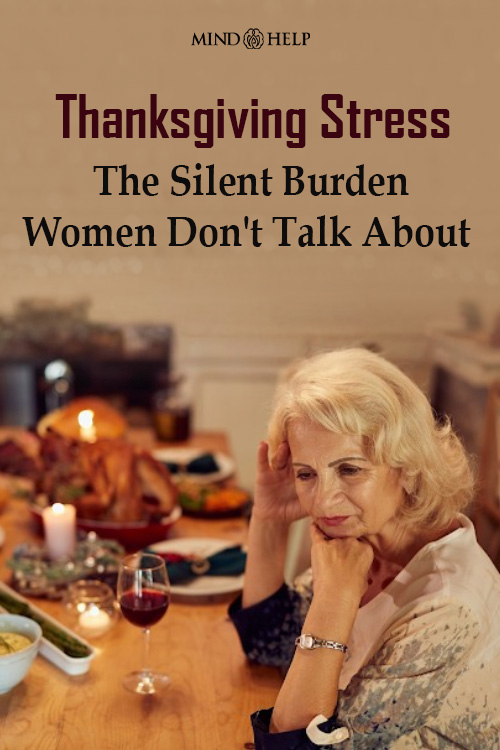
Thanksgiving stress doesn’t just show up on the holiday, it begins quietly, weeks in advance. And for many women, Thanksgiving stress feels heavier because it’s not just about preparing a meal, but managing the entire unseen system that keeps the day running.
This is where the conversation around women and mental load resurfaces, especially as the holiday mental load starts stacking up: coordinating schedules, predicting needs, smoothing conflicts, and keeping everything emotionally balanced.
It’s no surprise that women and holiday stress go hand in hand, because dealing with holiday stress often means carrying responsibilities that no one else even notices.
In truth, this isn’t just about one festive day – it’s a reflection of the lifelong mental load on women, amplified during the holidays when expectations soar and the pressure to “make it perfect” falls on them yet again.
Related: 7 Thanksgiving Tips To Conquer Holiday Stressors For A Blissful Feast
What Is the “Mental Load” of Thanksgiving?
The mental load on women is more than the logistics of cooking a turkey or arranging a centerpiece. It’s the constant, invisible checklist living in your mind.
The “Did I remember to buy cranberries?” at midnight. The panic that the table setting won’t feel warm enough. The emotional labor of making sure everyone feels included, comfortable, and cared for.
This is the invisible workload nobody sees – planning, coordinating, delegating, anticipating needs, solving potential problems before they happen.
It’s the mental gymnastics of tracking dietary restrictions, arrival times, childhood triggers, and whether the gravy will lump.
And the kicker? Most women do this silently, instinctively, because the world taught them to, and more than that, expects them to.
Why Women Carry Most of the Thanksgiving Pressure
There’s a reason the the “women and mental load” conversation spikes every holiday season. For generations, women have been conditioned to be the family glue, the emotional center, the “holiday makers.”
The unspoken rule has always been: women nurture, women plan, women host, women keep everyone happy.
So even in modern households where responsibilities are more balanced, lingering expectations remain.
Women anticipate needs before anyone else even thinks of them. They hold the cognitive labor; the mental responsibility of remembering, organizing, predicting, smoothing over conflicts, and creating emotional safety.
Add tradition to the mix – what Grandma used to do, what Mom always did – and suddenly the household responsibilities triple. The moment someone says, “Thanksgiving is at your place this year,” it’s women who feel it in their bones.
And while men often step in physically, the mental weight remains on her shoulders:
“Will this feel right?”
“Did I do enough?”
“Will everyone like the food?”
This is the heart of women and holiday stress; not the doing, but the thinking.
The Emotional Labor Behind a “Perfect” Thanksgiving
Behind every cozy, Instagram-worthy holiday is a woman juggling layers of emotional labor most people never see. Emotional labor is more than managing tasks, it’s managing everyone’s feelings.
On Thanksgiving, that looks like:
- Remembering traditions so no one feels forgotten.
- Keeping the peace between family members who pretend they get along.
- Anticipating potential conflicts and quietly preventing them.
- Making sure everyone feels comfortable, welcomed, and emotionally safe.
It’s the emotional equivalent of spinning plates, except the plates are people’s expectations.
When family expectations skyrocket, so does the pressure.
Nobody wants to be the reason Uncle compares this year’s dinner to “how your mother did it.” Nobody wants their child to feel excluded. Nobody wants guests thinking the holiday was “okay” instead of meaningful.
And the brutal truth? The more a woman cares, the heavier that holiday mental load becomes.
Related: 50+ Best Thanksgiving Quotes To Show Your Gratitude
Signs You Are Carrying Too Much of the Mental Load
If the holiday is weeks away and you are already exhausted, you are likely carrying more than your share of the holiday mental load.
Here are the subtle emotional labor signs most women ignore:
- You are irritable for “no reason.”
- You feel overwhelmed even when tasks aren’t physically overwhelming.
- You feel guilty when you try to simplify Thanksgiving.
- You find yourself over-planning; obsessing over details that ultimately don’t matter.
- You are mentally preparing for family reactions instead of your own experience.
If you read this and thought, “Yep, this is exactly how I feel every year,” then your emotional as well as mental meter is maxed out, and it’s not your fault.
How Partners & Families Can Help Lighten the Load
The solution to dealing with holiday stress isn’t women working harder – it’s families working smarter. Shared workload and household responsibilities should be just that: shared.
Partners can help by:
- Asking, “What can I handle completely? From planning to execution?”
- Taking ownership of a full task (not just helping with part of it)
- Managing communication with guests
- Handling one entire element: shopping, decor, activities, kids, etc.
- Being emotionally aware and checking in without being asked
Families can support by not assuming the woman will do everything. Thanksgiving isn’t a tradition because one woman holds it together, it’s a tradition because everyone contributes.
The shift begins when partners, siblings, and relatives take initiative instead of waiting to be instructed.
How Women Can Set Healthier Boundaries for Thanksgiving
Boundaries aren’t about being cold, they are about creating space for yourself within the chaos of holiday stress. They are like emotional safety belts for the soul.
Here’s what boundary-setting looks like during Thanksgiving:
1. Saying “no” without guilt
Saying no doesn’t make you difficult, it makes you human. You don’t need to host every year, take on every dish, or absorb everyone’s emotions just because you always have.
Your worth isn’t measured by how much you can carry without breaking. Every time you say no, you make room for your own peace.
2. Reducing perfectionism
You don’t need the “perfect” table or Pinterest-level details for people to feel loved. Nobody remembers if the napkins matched – they remember whether they felt welcomed and safe.
Let go of the idea that everything has to look flawless. The moment you allow imperfection, the holiday starts feeling like yours again, and Thanksgiving stress seems to melt away.
3. Delegating tasks, even if others do them differently
Delegation only works when you release the urge to micromanage. Let people help in their own way, not your way. When you stop controlling every detail, you create space for others to show up.
Delegation isn’t a sign you are overwhelmed, it’s evidence that you deserve support.
4. Setting clear expectations ahead of time
Don’t wait until the last minute to tell people what you need. Set the tone early by telling family what you can realistically handle and what you can’t. The clearer your expectations, the fewer emotional emergencies later.
This is how you protect your energy before the chaos begins.
5. Giving yourself permission to simplify everything
One of the best ways for dealing with holiday stress is this.
Maybe this year you skip the complicated recipes. Maybe you buy dessert instead of making it. Maybe you order half the meal. Thanksgiving doesn’t lose meaning when it becomes easier – it becomes more human.
Simple holidays and holiday traditions often become the ones people cherish the most.
Related: 25 Interesting Thanksgiving Traditions To Try Out With Your Family And Friends
Final Thoughts
Thanksgiving shouldn’t feel like an emotional marathon. It shouldn’t be a day where women carry the weight of everyone’s comfort, nostalgia, and expectations.
The mental load on women isn’t a sign of strength, it’s a sign of imbalance, and honestly a little unfairness.
The heart of Thanksgiving is connection, not performance. And connection thrives when the pressure is shared, not silently carried.
It’s time to reframe Thanksgiving stress as a collective responsibility, not a gendered one. Because women deserve to enjoy the holiday, not just manage it.