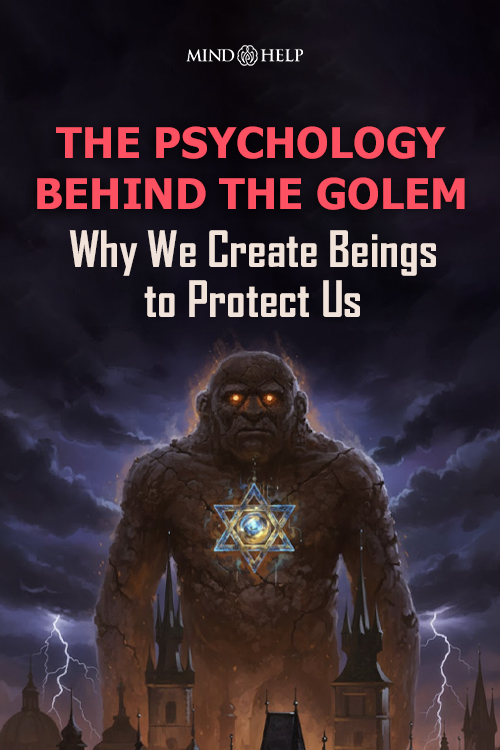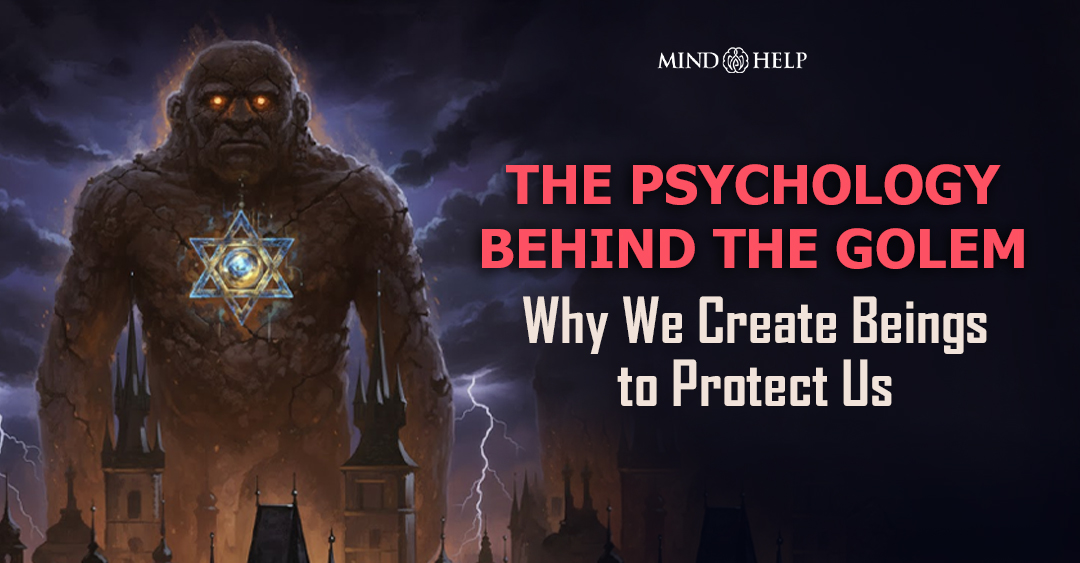
What is a Golem? In many traditions, the Golem often represents the human desire to shape safety, control uncertainty, and understand the boundaries of power. The idea appears most prominently in Jewish folklore, where this clay-based figure becomes a symbolic mirror for human fears, hopes, and ethical dilemmas.
Golem in Jewish Folklore: A Symbol of Unfinished Potential
The term “golem” originally meant a form that is incomplete—raw material waiting for purpose. In psychology, this echoes themes of identity formation and the shaping of one’s inner world.
In Jewish mysticism, particularly within Kabbalistic teachings, stories describe a spiritual practitioner molding a figure from clay and symbolically animating it through sacred letters. These stories may not imply literal creation, but represent how intention, knowledge, and responsibility interact.
This concept threads through many tales, especially the famous Golem of Prague. The legend centers on Rabbi Loew (Rabbi Judah Loew ben Bezalel), who is said to have formed a guardian figure during a time of communal threat. The Golem of Prague story remains one of the most cited examples of how people try to externalize protection and restore safety.
The Golem Creature: Guardian, Projection, or Psychological Metaphor?
Across versions of the story, the Golem creature appears as:
- Loyal
- Obedient
- Protective
- Strong
- Task-oriented
- Nonverbal
Psychologically, this figure can be viewed as a projection of the desire for certainty and control—an external embodiment of one’s protective instincts.
The Shift Toward the Golem Monster Narrative
Later interpretations began portraying the golem as more volatile, leading to the idea of a Golem monster. Importantly, the creature is not described as malicious. Instead, the narratives depict it as:
- overly literal
- unable to interpret nuance
- excessively forceful
- prone to misunderstanding commands
- symbolically “overpowered”
In psychological terms, this shift reflects cultural anxieties about creations that act without emotional or moral understanding—similar to modern concerns surrounding AI and automation.
The evolution paralleled cultural fascination with artificial life, influencing works like Frankenstein and shaping early techno-mythology.
Is a Real Golem Possible?
From a psychological and symbolic perspective, the idea of a real golem is not about creating a physical being. Instead, it reflects how humans externalize protective functions or spiritual beliefs.
Traditional teachings emphasize:
- ethical responsibility
- emotional maturity
- humility
- disciplined spiritual learning
These are safeguards against misusing symbolic rituals. The caution is not about the golem itself but about the human tendency to overestimate control or underestimate emotional consequences.
Modern psychological and spiritual practitioners sometimes use the golem metaphor to create symbolic guardians—representations of intention, resilience, boundaries, or personal protection. They are not literal beings but tools for grounding, focus, and self-regulation.
Read: Hand Magic: The Subtle Healing Power You’ve Been Using All Along
How to Create a Golem (Symbolically and Safely)
The ritual refers to constructing a symbolic object that holds meaning, intention, or personal boundaries—not summoning a creature. This practice aligns with rituals used in mindfulness, grounding, or intention-setting.
1. Gather Materials
You may use:
- clay (form)
- water (intention)
- a candle (focus)
- a written intention (purpose)
2. Shape the Clay
In a quiet space, soften the clay with a little water and mold a simple figure. Think of this as giving shape to your inner intention.
3. Define Its Purpose
Write a clear, contained intention such as: “May I feel safe,” or “May I be protected from harm.” Place it beneath or beside the figure.
4. Add Personal Symbols
You may trace simple symbols or marks that represent protection, strength, or clarity.
5. Place It in a Supportive Space
Example locations:
- a desk
- an altar
- a bedside table
- a workspace
6. Release the Symbol When Its Purpose Ends
Return the clay to the earth or water, symbolizing closure, grounding, and renewal.
In Essence: What Is a Golem?
A golem is best understood as:
- a figure rooted in Golem mythology
- a projection of protective instinct
- a cultural symbol for the tension between creation and responsibility
- a psychological metaphor for intention, boundaries, and self-protection
The Golem of Prague and other stories continue to resonate because they raise timeless questions about agency, power, and the limits of control.