Have you been wondering lately, “Why do I feel tired all the time?” If so, you might be facing the signs you are emotionally exhausted – not lazy, not unmotivated, just completely drained.
Emotional exhaustion sneaks up on you slowly, making everyday tasks feel heavy and overwhelming. You smile through the burnout, telling yourself to keep going, but deep down you know something’s off.
Recognizing the signs you are emotionally drained is the first step in healing.
Let’s talk about how to overcome emotional exhaustion, how to deal with emotional burnout, and reclaim your energy before it all catches up.
Related: 7 Signs You’re Lost in Emotional Limbo and Struggling to Feel Again
What Is Emotional Exhaustion?
Emotional exhaustion is what happens when you have been “strong” for too long. It’s not about being weak or dramatic, it’s about your mental and emotional energy running dangerously low.
Think of it as your body’s emotional battery hitting zero. You have been juggling stress, overthinking, carrying responsibilities, and pretending everything’s fine, but inside, you are entirely drained.
It’s more than just being tired – it’s feeling numb, disconnected, and unable to focus. The signs of emotional exhaustion often mimic laziness: you can’t get out of bed, you cancel plans, and you lose interest in things that used to make you happy.
But always remember this one thing: it’s not a character flaw and there’s nothing wrong with you. What is happening is burnout.
7 Clear Signs You Are Emotionally Exhausted, Not Just Tired
1. You feel tired even after resting.
You could sleep for 10 hours and still wake up feeling like you have not slept a wink at all. This kind of tiredness isn’t physical – it’s emotional. You are not lazy; your mind is just done.
You have been juggling stress, responsibilities, and emotional demands for so long that even rest doesn’t recharge you.
This is one of the clearest signs you are emotionally exhausted; when your body is resting but your mind is still running marathons. Your brain is constantly “on,” analyzing, worrying, and planning, leaving no real space for recovery.

2. You struggle to focus or feel motivated.
One of the major signs of emotional exhaustion is this. When you feel emotionally drained, your brain enters survival mode. Focus? Gone. Motivation? Nonexistent. It’s not that you don’t care, you just don’t have the mental bandwidth to care right now.
You open your laptop, stare at your screen, and feel your brain fizzle out. You start things but can’t finish them, not because you are lazy, but because your emotional energy is spent.
This fogginess and lack of drive are classic signs you are emotionally drained.
So the next time you wonder, “Why do I feel tired all the time?” – remember, your mind might just be begging for a reset.
3. Everything feels like way too much effort.
Simple things like cooking lunch, having a shower, or even replying to a text feels like the most exhausting things. That’s what emotional burnout does to you; it makes even daily routines feel like heavy lifting.
When your emotional energy tank is empty, everything feels like “too much.”
However, this does not mean you have become unproductive or lazy; it means you have been pushing yourself past your emotional and mental limits for far too long. This is your body’s way of saying, “Please, slow down.”
Understanding how to deal with emotional burnout means learning to rest without guilt. In other words, it means that you need to allow yourself time to simply be, not just do.
4. You are easily irritated or overwhelmed.
When you are emotionally exhausted, even small inconveniences can send you over the edge. Someone’s tone, a missed message, a delayed task – things that once rolled off your back now feel unbearable.
That’s because your brain is running on fumes. You have got no buffer left. The signs of emotional exhaustion often show up as irritability, anxiety, or mood swings. You are not being dramatic; you are just overstimulated and under-rested.
So if you have been snapping more at people than usual, take it as a signal. You are not losing control; you are reaching your emotional capacity.
Related: 5 Reasons Solitude Is the Smartest Form of Emotional Self Defense
5. You feel emotionally numb instead of sad.
You know that feeling, when you are so tired and emotionally done that you just stop feeling anything? You don’t cry, you don’t get angry, you don’t laugh, you don’t react in any way. You just…exist.
That’s emotional exhaustion at its peak. It’s like your emotions have shut down to protect you from further overload.
This emotional numbness is one of the most subtle signs you are emotionally drained. People may think you are cold-hearted, but that could not be more further from the truth. You have felt too much for too long, and now your system is on lockdown.
If you have been feeling disconnected or “meh” about everything, it’s your mind’s way of saying, “I can’t take any more input right now, so I am taking a break.”
6. You withdraw from people you love.
You start ignoring calls, canceling plans, or avoiding texts – not because you don’t care, but because you don’t have the energy to socialize. When you are emotionally exhausted, even small interactions can feel draining.
This withdrawal often gets mislabeled as laziness or indifference, but it’s really just emotional survival. You are conserving your energy because you don’t have much left to give.
Understanding how to overcome emotional exhaustion means learning to reconnect slowly – to choose comfort over obligation and to nurture relationships that refill, not drain, your emotional tank.
7. You constantly feel guilty for “not doing enough.”
Emotional exhaustion and guilt go hand in hand. You feel bad for resting, for saying no, for not being productive. You tell yourself you should be doing more, but that pressure is what got you here in the first place.
You have been carrying too much emotional weight for too long. That constant guilt is a toxic side effect of burnout.
Understanding what you are going through is important when it comes to learning how to deal with emotional burnout – by forgiving yourself for being human.
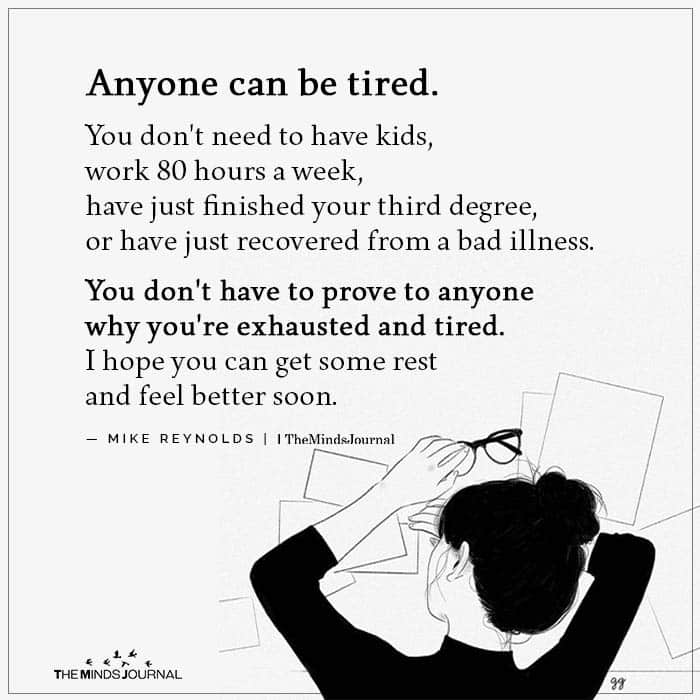
How to Overcome Emotional Exhaustion
- Slowly unlearn guilt-based productivity: Tell yourself constantly that rest is not laziness, rather it’s maintenance. Stop associating your self-worth with how productive you are.
- Have non-negotiable emotional boundaries: You are not responsible for fixing everyone’s problems. Protect your energy first.
- Acknowledge small joys: Read something silly, take slow walks, listen to music – anything that brings back your spark.
- Let go of negative self-talk: Speak to yourself the way you would speak to a friend. Self-compassion is key to more and better emotional energy.
- Focus on connections, not perfection: Share your feelings with someone you trust and feel safe with. Always remember that emotional exhaustion heals faster when you feel understood.
Bottomline
If you recognize these signs of emotional exhaustion, know this – you are not broken, and you are definitely not lazy. You are a person who’s been giving too much of yourself for too long without enough return.
The truth is, emotional exhaustion doesn’t mean you are weak, it means you have been strong for too long.
Related: 8 Signs Your Wife Is Unhappy And Slipping Away Emotionally
So the next time you wonder, “Why do I feel tired all the time?” remind yourself: your body and mind are asking for compassion, not correction. Take the hint. Rest. Refill. Reconnect.
You don’t need to be more productive right now. You just need to breathe again.