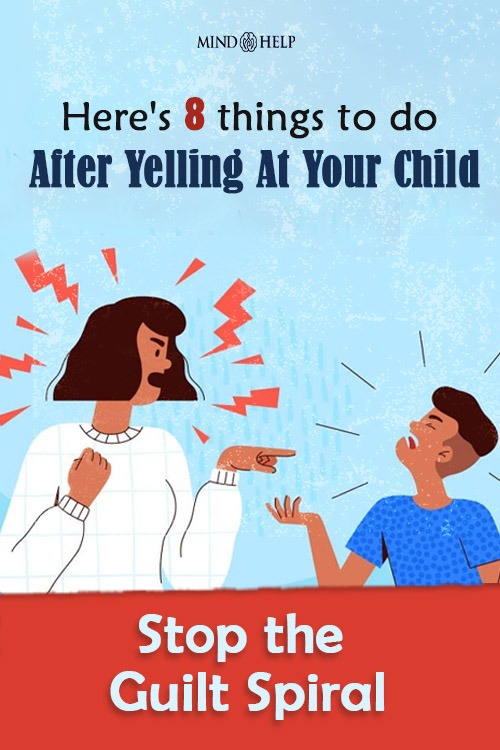
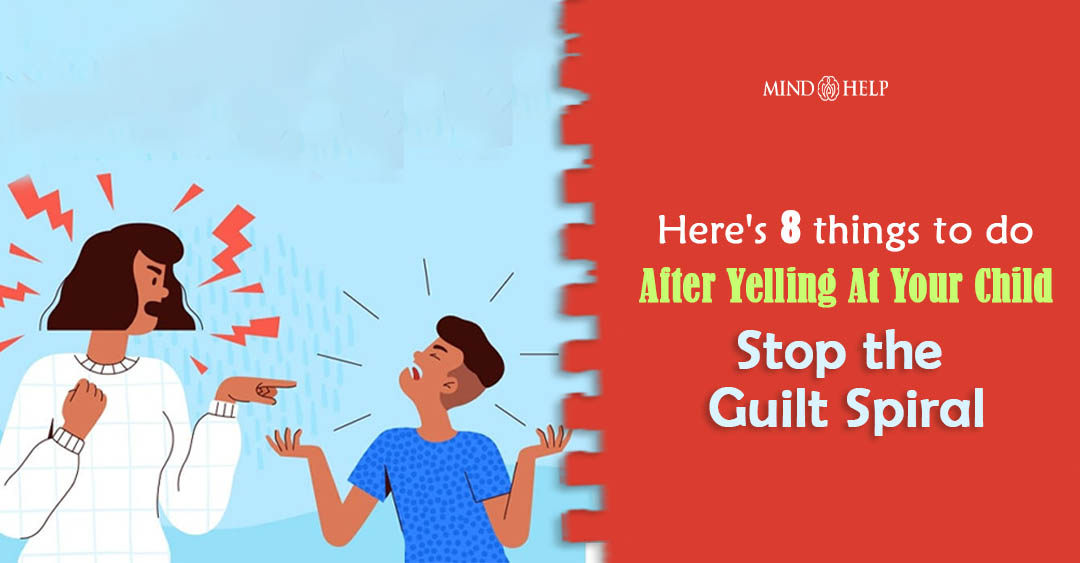
Whether you’re a new mom, a stepmother, or an experienced parent, yelling at your child may happen during moments of stress, fatigue, or overload. It doesn’t make you a bad parent; it just makes you human.
When you lose your temper is not what really shapes your child’s emotional world, but what you do after you scream at your child that does!
If you’re wondering about the effects of shouting at your child, here’s something important: talking to your child after you yell truly shapes your relationship.
Here’s how to deal with it in a way that builds connection rather than distance and trust rather than dread.
But before that, let’s understand the effects of yelling at your child.
- Yelling at your child weakens the bond with them.
- It teaches your child to respond with anger when they are yelled at.
- Yelling increases anxiety and fear in children.
- It also lowers your child’s self-esteem.
- And lastly, it doesn’t improve their long-term behavior
Read more here: Why Parents Are Embracing FAFO Parenting (And Stopping The Constant Rescuing)
Yelling At Your Child? Follow These 5 Steps Right Away After
1. Take a moment before rushing to fix it.
Right after yelling, your instinct might be to immediately “make it better.” But if you’re still upset, that conversation can come out wrong. Take a few minutes to calm down. Breathe in and out slowly. Let your body relax and feel better. This will help your nervous system settle down.
This small pause helps you shift from reacting to responding, and that changes everything when it comes to talking to your child after you yell.
2. Take responsibility for what happened (without justifying)
One of the most powerful things you can do as a parent is take responsibility. Instead of saying: “I yelled because you weren’t listening.”
Try: “I’m sorry I yelled. That wasn’t the right way to handle it.”
This shows your child that it is okay to have emotions. It is not okay to hurt other people with those emotions. It also teaches your child about being accountable, for what they do. They can see how it works in real life.
3. Before you correct, reconnect
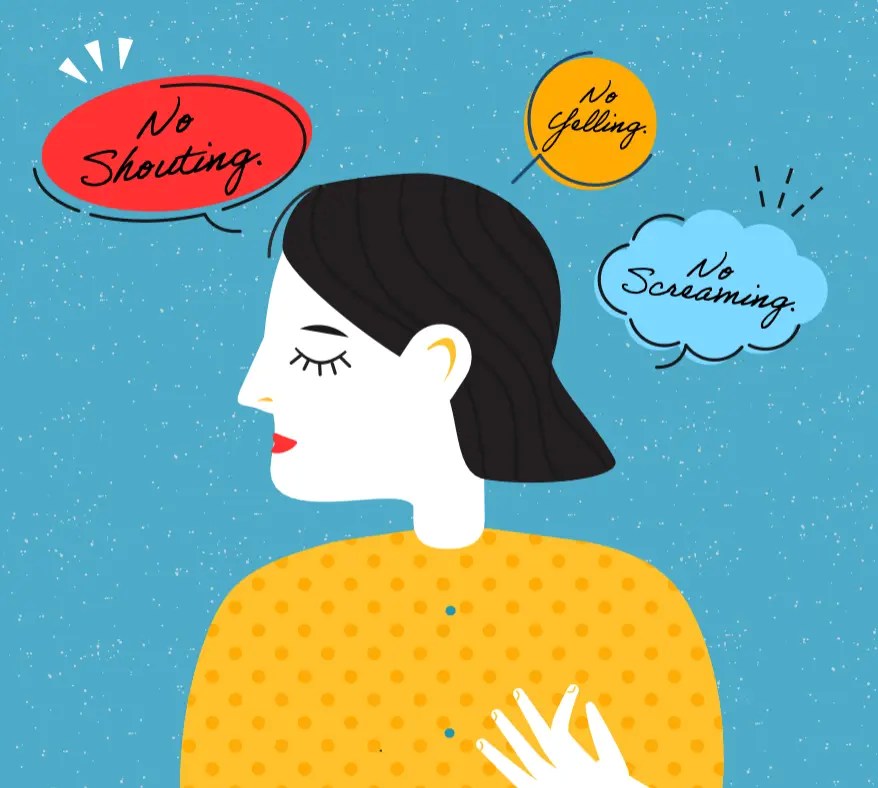
When your child gets really upset they don’t need to learn a lesson then; they need to feel safe.
You should sit with them. Hug them if they want one. Talk to them in a voice. First, connect with them. Then you can correct their behavior later.
This is a step that people often forget when they yell at their kids but it helps your child feel secure again quickly.
4. Talk it through in simple words
Once things feel calm, gently talk about what happened.
You can say:
“I was feeling really overwhelmed, and I didn’t handle it well. How did that make you feel?”
This opens space for your child to express themselves, and helps them process emotions instead of suppressing them.
Healthy talking to your child after you yell builds emotional intelligence over time.
5. Fix the moment together
Sometimes, fixing things can be as simple as a hug or a quiet moment together. Once you share an activity today, you don’t need a perfect speech. What matters is showing your child that your relationship is safe, even after hard moments.
This reduces the negative effects of yelling at your child and replaces them with trust and reassurance.
6. Reflect on your triggers
Later, when things are calm, take a moment for yourself.
Ask: What pushed me over the edge? Was I tired, overstimulated, or already stressed?
Identifying your triggers is key to figuring out what to do instead of yelling at your child in the future. This extends beyond isolated incidents and involves recognizing ongoing patterns.
7. Practice “pause alternatives” next time
You won’t stop yelling overnight, but you can reduce it with small shifts.
Here are a few realistic alternatives:
- Step away for 10 seconds before reacting
- Lower your voice instead of raising it
- Use fewer words, not more
- Say, “I need a moment” instead of snapping
These are simple but powerful ways to explore what to do instead of yelling at your child without expecting perfection.
8. Let go of the guilt (but keep the lesson)
Mom guilt can be heavy. But staying stuck in it doesn’t help you, or your child.
What matters is this:
You showed up. You repaired. You tried again.
That’s what your child will remember.
Read more here: Were You Raised By A Peacock Parent? These 4 Signs Reveal The Truth
The Bottom Line
Yelling at your child doesn’t define your parenting. What defines it is your willingness to repair, reconnect, and grow.
Every time you choose to come back with calm, honesty, and love, you’re teaching your child something powerful: Relationships can bend, and still be safe. And that’s a lesson they’ll carry for life.
What do you think? Tell us your thoughts in the comments below!
Frequently Asked Questions (FAQs)
What to do after you yell at your child?
It’s normal to lose your cool, but what you do after counts. First step is to calm down and allow your child to calm down as well. Then you can repair and talk about what they did wrong and why you reacted. This creates a healthy bond between you to.
What to do instead of yelling at your child?
Constantly yelling at your child can have long-term effects on their emotional and mental health. You can discipline them without yelling. If they have been naughty, put them on time out or give warnings, but try not to raise your voice.
Is it bad to yell at your kid?
Sometimes shouting at your child happens, and that’s okay, but how you handle it later plays a big role. Although intense yelling all the time can be detrimental to the parent-child relationship and the child’s mental health as well.